Press Statement of the Chairperson of the National Elections Commission of the Republic of South Sudan
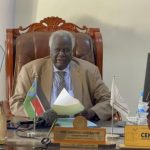
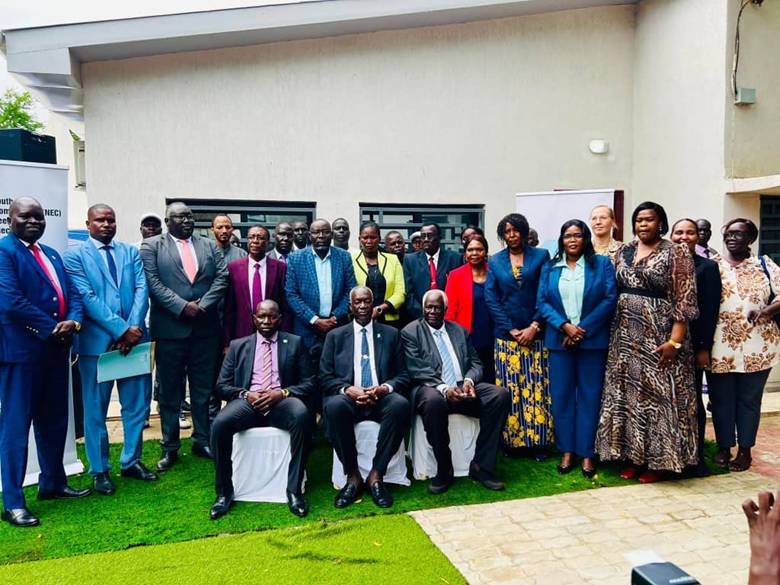
On 22nd December 2025 at the National Elections Commission HQs Office – Juba

On the Declaration of the National Geographical Constituencies for the December 2026 General Elections in the Republic of South Sudan

Prof. Abednego Akok Kacuol
Chairperson
National Elections Commission (NEC)

In reference to the decision made by the parties to the Agreement (R-ARCSS) on 10th December 2025 to delink the conduct of a new population Census and Constitution-making process as a pre-conditions for the conduct of General Elections in December 2026 and in accordance with the National Elections Act 2012 (Amendment) Act, 2023, section 4(1)(e) & (f) that gave the NEC powers to revert the country to use the constituencies of the 2010 General Elections for the upcoming December 2026 elections in the Republic of South Sudan.

Henceforth, the National Elections Commission hereby declares the 102 constituencies in accordance with the ten (10) States and the Three Administrative Areas as summarized follows:

1. Central Equatoria State (CES) has fourteen (14) National Constituencies.
2. Eastern Equatoria State has eleven (11) National Constituencies.
3. Western Equatoria State has eight (8) National Constituencies.
4. Jonglei State has seventeen (17) National Constituencies including Greater Pibor Administrative Area.
5. Unity State has seven (7) National Constituencies including Ruweng Administrative Area.
6. Upper Nile State has twelve (12) National Constituencies.
7. Lakes State has eight (8) National Constituencies.
8. Northern Bahr El Ghazal State has nine (9) National Constituencies.
9. Western Bahr El Ghazal State has four (4) National Constituencies.
10. Warrap State has twelve (12) National Constituencies including Abyei Administrative Area.

Thereafter, as per the section 41(1)(g) the public shall know the names and other details of the constituencies on the official website of the National Elections Commission and in the print media.

We thank all the media houses for coming to make the coverage of this press conference on the electoral process.

God bless the Republic of South Sudan.


Click link below to download the signed pdf version of the Press Statement:
https://nec.gov.ss/download/the-geographical-constituencies-for-the-national-legistlative-assembly/


The 102 Geographical Constituencies for National Legislative Assembly of the Republic of South Sudan for all Ten (10) States and Three Administrative Areas:

Central Equatoria State – Fourteen (14) Constituencies – National Legislative Assembly Seats

Constituency Boundary Description Residential Units
Juba North Constituency No. 1   Juba Town Payam
Juba South Constituency No. 2   Kator Payam, Rejaf Payam
Munuki Constituency No. 3   Munuki Payam
Juba West Constituency No. 4   Rokon Payam, Dolo Payam, Tijor Payam, Wonduruda Payam, Lobonok Payam, Bangui Payam & Ganzi Payam
Juba East Constituency No. 5   North Bari Payam, Mangalla Payam, Lokilliri Payam & Lirya Payam
Yei Town Constituency No. 6   Yei Payam
Yei West Constituency No. 7   Tore Payam & Lasu Payam
Yei South Constituency No. 8   Mugwo Payam & Otogo Payam
Kajokeji West Constituency No. 9   Kangapo 2 Payam & Liwolo Payam
Kajokeji Town Constituency No. 10   Lire Payam, Kangapo 1 Payam & Ngepo Payam
Terekeka East Constitueny No. 11   Terekeka Payam, Muni Payam, Nyori Payam, Gemeza Payam & Tombek Payam
Terekeka West Constituency No. 12   Tali Payam, Tindilo Payam, Rijong Payam & Rego Payam
Morobo Constituency No. 13   Gulumi Payam, Kimba Payam, Lujulo Payam, Wudabi Payam & Panyume Payam
Lainya Constituency No. 14   Kenyi Payam, Mukaya Payam, Kupera Payam & Wuji Payam

Eastern Equatoria State – Eleven (11) Constituencies – National Legislative Assembly Seats

Constituency Boundary Description Residential Units
Torit Constituency No. 1   Torit, Hiyala, Ifwotu & Himodoge
Lafon Constituency No. 2   Burgilo, Kurumi, Marguna & Pachidi
Lopa Constituency No. 3   Arihilo, Imehejek, Lohutok & Longiro
Kapoeta North Constituency No. 4   Chumakori, Karukomuge, Lomeyen, Mosingo, Najie & Paringa
Kapoeta East 1 Constituency No. 5   Katodori, Kauto & Lotimor
Kapoeta East 2 Constituency No. 6   Jie, Mogos, Narus, Natinga & Lohuro
Kapoeta South Constituency No. 7   Kapoeta Town, Longeleya, Machi, one Machi Two & Riwoto
Budi Constituency No. 8   Kimotong, Komari, Loriyok, Lotuke, Loudo, Nagishot & Napak
Ikotos Constituency No. 9   Haitire, Ikotos, Imotong, Lomohidang North, Lomohidang South & Losite
Magwi Constituency No. 10   Magwi, Pajok & Lobone
Pageri Constituency No. 11   Nimule, Mugali & Pageri

Jonglei State – Seventeen (17) Constituencies – National Legislative Assembly Seats

Constituency Boundary Description Residential Units
Old Fangak Constituency No. 1 Old Fangak County Old Fangak all Payams
Pigi (Khorflus) Constituency No. 2 Pigi County All Payams of Pigi
Ayod North Constituency No. 3 Ayod North Pagiel, Korwai, Mogok, Ayod & Kuacdeng
Ayod South Constituency No. 4 Ayod South Wau & Pajiek
Akobo North Constituency No. 5 Akobo North Barmach, Buong, Walgak, Diror & Dengjok
Akobo South Constituency No. 6 Akobo South Bilkey, Alali & Nyandit
Nyirol Constituency No. 7 Nyirol All Payams of Nyirol
Uror North Constituency No. 8 Uror North Karam, Motot & Pathai
Uror South Constituency No. 9 Uror South Puolchuol, Uror, Pieri, Payai & Tiam
Twic East Constituency No. 10 Twic East County All Payams of Twic East
Duk Constituency No. 11 Duk county All Payams
Bor Athoc Contituency No. 12 Bor South Jalle & Baidit
Bor South Centre Constituency No. 13 Bor South Bor Town & Makuach
Bor Gok Constituency No. 14 Bor Gok Anyidi & Kolnyang

Pibor Administrative Area

Constituency Boundary Description Residential Units
Pochalla Constituency No. 15 Pochalla All payams of Pochalla
Pibor West Constituency No. 16 West Pibor Lekuangole & Gumuruk
Pibor East Constituency No. 17 Pibor East Pibor, Vertet, Marow, Buma, Kiziongora & Miwono

Unity State Seven (7) Constituencies – National Legislative Assembly Seats

Constituency Boundary Description Residential Units
Rubkona Constituency No. 1   All payams of Rubkona
Guit Constituency No. 2   All Payams of Guit
Mayendit Constituency No. 3   All Payam of Mayendit
Mayom Constituency No. 4   All payams of Mayom
Leer Constituency No. 5   All payams of Leer

Ruweng Administrative Area

Constituency Boundary Description Residential Units
Pariang Constituency No. 6   Aliiny, Biu, Jamjang, Nyeel, Pariang, Werthen & Wunkur
Abiemnon Constituency No. 7   Abiemnon, Aworpiny, Manjoga & Panyang

Lakes State Eight (8) Constituencies – National Legislative Assembly Seats

Constituency Boundary Description Residential Units
Cueibet Constituency No. 1 Boundaries of Cueibet County Cueibet Town, Mayath, Abiriu, Ngap, CitCok, Tiap Malou Pec Pagor & Duony
Rumbek North Constituency No. 2 Boundaries of Rumbek North County Aloor, Madol, Malueth, Maper, Mayen, Wun-Riang, Malek & Mayom, Tiap
Rumbek Centre Constituency No. 3 Boundaries of Rumbek Centre Among Piny, Matangai and Rumbek Town
Wulu Constituency No. 4 Boundaries of Wulu County Bargel, Domoloto, Makundi & Wulu
Rumbek East Constituency No. 5 Boundaries of Rumbek East Akot, Atiaba, CueiCok, Maleng-Agok Pacong, Paloch, Aduel & Mathian
Yirol West Constituency No. 6 Boundaries of Yirol West County Abang, Aluakluak, Annuol, Geng-Geng, Geer Mapuordit & Yirol centre
Yirol East Constituency No. 7 Boundaries of Yirol East County Adior, Lekakedu, Malek, Pagarau, Tinagau & Yali
Awerial Constituency No. 8   Awerial, Abuyuong, Bun-agok, Dor, Magok, Puluk, Nile, Alel 1, Alel 2, Mingkaman

Western Equatoria State Eight (8) Constituencies – National Legislative Assembly Seats

Constituency Boundary Description Residential Units
Mundri Town Constituency No. 1   Amadi, Bangolo, Kotobi, Mundri
Mvolo Town Constituency No. 2 All Payams of Mvolo Bagori, Barh El Grindi, Dari, Mvolo, Lessi, Kokori & Yeri
Maridi Town Constituency No. 3 All Payams of Maridi Kozi, Landili, Mambe, Maridi & Ngamunde
Ibba Town Constituency No. 4 Boundaries of Ibba county Ibba Centre, Madebe, Manikakara, Maruko & Nabanga
Yambio Town Constituency No. 5 All payams of Yambio Bangasu, Gangura, Lirangu or Rirangu, Nadiangere & Yambio Town
Nzara Town Constituency No. 6 All payams of Nzara County Basukangbi, Nzara centre, Ringasi, Sakure & Sangua
Ezo Town Constituency No. 7 All payams of Ezo Andari, Bagidi, Bariguna, Ezo centre, Naandi & Yangiri
Tambura Town Constituency No. 8 Boundaries of Tambura County Mupoi, Namutina, Source Yubu & Tambura

Northern Barh El Ghazal State Nine (9) Constituencies – National Legislative Assembly Seats

Constituency Boundary Description Residential Units
Gokmachar Constituency No. 1   Malual Centre, Ariath, Malual East, Malual North & Malual West
Korok Constituency No. 2   Wath thok, Mayen Uleu, Mabior Anguei & Malual West
Abiem East Constituency No. 3   Madhol, Malual Baai, Makuac kier, Mayom wel & Malith alek yai
Abiem Centre Constituency No. 4   Wanyjok, Malual kon, Baac Akuei, Warawar & Wunlang
Abiem west Constituency No. 5   Yargot, Malou kuac, Wunding & rumakeer
Aweil South Constituency No. 6   Malek Alel, Tiar-aliet, Gakrol, Panthou & Ayai
Awiel Town Constituency No. 7   Maper akot, Malou aweer, Navasha, New site, Central Market, Zira-toc and salam, & Mathiangdit and Gabat
Cimel and Gomjuer Constituency No. 8   Udhum, Maduany, Mariam, Gomjuer, Weat Wiel & Nyamlel
Ayat and Majak Constituency No. 9   Majak-baai, Marial-baai, Akuany kuac, Nyinbuoli & Majook Dengdit

Western Barh El Ghazal State Four (4) Constituencies – National Legislative Assembly Seats

Constituency Boundary Description Residential Units
Raga Centre Constituency No. 1   Consist of whole areas of Raga county including Bagari payam, Besselia Payam & Kpaile payam
Wau South Payam Constituency No. 2   Consist of Wau South payam, Roc roc, Dong Payam & Kuajena Payam
Marial Bai Payam Constituency No. 3   Consist of Marial bai payam, Wan bai payam, Udici payam & Kangi payam
Wau North Payam Constituency No. 4   Consist of Wau North payam, Marial Agieth & Bar Yar

Warrap State Twelve (12) Constituencies – National Legislative Assembly Seats

Constituency Boundary Description Residential Units
Abyei and Twic Constituency No. 1   Ameth-aguok, Alel, Rumameer, Mijak, Abyei, Ajak-kuac, Aweng, Turali
Twic Constituency No. 2   Aweng & Turali
Twic Constituency No. 3   Akoc & Pan-Nyok
Twic Constituency No. 4   Turali and Wunrok
Gogrial West Constitueny No. 5   Akon North, Akon South, Alek West & part of Alek North
Gogrial West Constituency No. 6   Aleth North, Aleth South & Riau
Gogrial West and Gogrial East Constituency No. 7   Kuac North, Kuac South & Nyang
Gogrial East Constituency No. 7   Pathuon East, Pathuon, Toch East, Toch West & Toch North
Tonj North Constituency No. 9   Awuul, Man-loor, Pagol, Kirik & Warrap
Tonj North Constituency No. 10   Akop, Marial-lou, Rual-bet, Aliek & Alabek
Tonj East Constituency No. 11   All the Payams of Tonj East County
Tonj South Constituency No. 12   Tonj Town, Malual muok & Agugo

Upper Nile State Twelve (12) Constituencies – National Legislative Assembly Seats

Constituency Boundary Description Residential Units
Malakal Ogot Constituency No. 1 Ogot Payam in the IRIO payam in the Eastern Malakal payam Ogot Payam, Northern Malakal Payam, Lelo Payam, Eastern Payam & central
South Malakal Panyikang Constituency No. 2 Southern Malakal is in the North, Anakdiar in the east, Dhothem, Pakang and Panyikang payam in the west and Tonga payam in the south Anakdiar payam, Panyidway payam, Dhothem payam, Pakany payam, panyikang payatli, Tonga Payam and Southern Malakal payam
Renk Geiger Constituency No. 3 Geiger in the North, Renk Payam in the South & Nile River to the West Geiger Payam, North Renk Payam, South Renk payam
Maban constituency No. 4 Maban County Jelhsk payam, Chemedi payam, Banashowa Payam, Bouny payam, Jirkuata payam, Jinmakda payam & Khor El Amer
Nasir-Dingkar Constituency No. 5 All payams Dingkar Payam, Nasir Payam & Roam Payam
Kiechkuon-Mading Constituency No. 6 Mading payam of Kiechkuon payam Mading payam, Kiechkuon
Kuereng-Ke Constituency No. 7 Kuereng-ke south Jikmir north Payam Kuereng-ke payam, Jikmir
Malut and Baliet Constituency No. 8 All payams of the two places Bimachuk, Goldora, Melut, Paloch, Wunamum, Panamdit, Viikuel, Abwong, Adorn, Akoka, Akotweng, Rom, Nyong Kuach, Nyongrial & Wunthow
Fashoda and Manyo Constituency No. 9 Fashoda & Manyo areas Megenis payam, Wadakona payam, Kaka Payam, Athidhwoi payam, Detwok payam, Kodok payam & Lul payam
Maiwut Constituency No. 10 All boundaries of Maiwut Jekou Payam, Jetome payam, Kijiel payam, Maiwut payam, Oleng payam & Pagak payam
Ulang Constituency No. 11 All Ulang boundaries Doma payam, Kur-muot payam, Yomding payam & Ulang payam
Longuchuk Constituency No. 12 All boundaries of Longuchuk Dajo payam, Guelguk payam, Longuchuk payam, Malual payam, Pamach payam & Wudiet payam


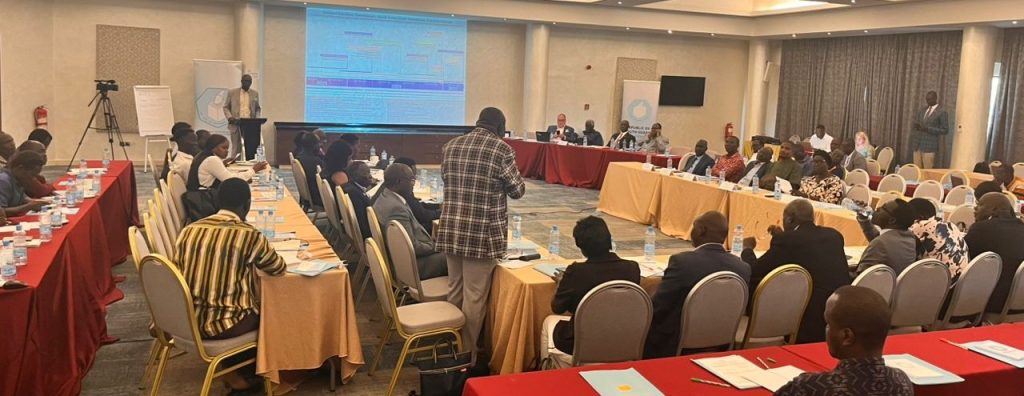
National Elections Commission Engages Electoral Stakeholders in Consultative Meeting to Advance Electoral Process

Juba, South Sudan – 21 October 2025:  The National Elections Commission (NEC) of South Sudan convened a high-level consultative meeting with key electoral stakeholders, including representatives from political parties, the High-Level Standing Committee on the Implementation of the Revitalized Agreement on the Resolution of the Conflict in South Sudan (R-ARCSS), the Political Party Council, the National Bureau of Statistics, the National Constitutional Review Commission, Transitional National Legislative Assembly, faith leaders, the election security coordination committee, civil society organisations, and the media to provide electoral updates and discuss critical actions needed to address the challenges impacting electoral preparations, including political decisions, legal clarity, and funding.

Held in Juba, the meeting aimed to foster collaboration, transparency, and mutual understanding among key electoral stakeholders in order to support preparations for an inclusive, credible, and peaceful electoral process. NEC Commissioners and Secretariat staff gave a comprehensive briefing on recent achievements and continued challenges, including:

  • Adoption of regulations for observers, media, party agents, and election campaigns.
  • Adoption and signing of the NEC Code of Conduct for professional election management.
  • Development of a civic and voter education strategy, with plans to roll out a nationwide civic education campaign upon receipt of financial resources.
  • Refurbishment and construction of State High Election Committee offices, in order to operationalize electoral offices across the country.
  • Regular engagement with electoral stakeholders at national and state levels.
  • Development of an indicative draft electoral operations timeline, based on assumptions that depend on political decisions, legal clarity, and funding.
  • Impact of limited political will, legal clarity, and funding, in addition to other challenges, such as civic and political space, including election security, on the electoral operating environment.

In a spirit of open discussion, stakeholders shared perspectives on the need for political decisions and commitment, legal clarity, adequate funding, security, and space for civil society to engage citizens and political parties to form, campaign and reach out to voters.  NEC officials emphasized the importance of stakeholders’ support in enabling timely decisions and funding to move forward with election preparations.

NEC Chairperson, Prof. Abednego Akok Kacuol, acknowledged stakeholders feedback, stressed the limited time remaining, and called for consensus and prompt actions to support electoral progress to be made.

We appreciate all of your comments, but we urge you, especially the parties to the Peace Agreement, to dialogue and reach consensus quickly on the necessary political decisions to address legal gaps and ensure sufficient and timely funding for the electoral process,” said Hon. Prof. Abednego.

The NEC reaffirmed the Commission’s commitment to organizing credible, inclusive, and peaceful elections, guided by principles of transparency and democratic participation.

The meeting concluded with a shared commitment for urgent advocacy and to continue stakeholder engagements, to build trust in the electoral process, and strengthen civic and political space for inclusive citizen participation in the elections, recognizing that credible elections are foundational to peace and democratic development in South Sudan.

For further information, please contact:
National Elections Commission – Spokesperson
info@nec.gov.ss
www.nec.gov.ss


ROLLOUT OF ICT EQUIPMENT TO SIX STATES

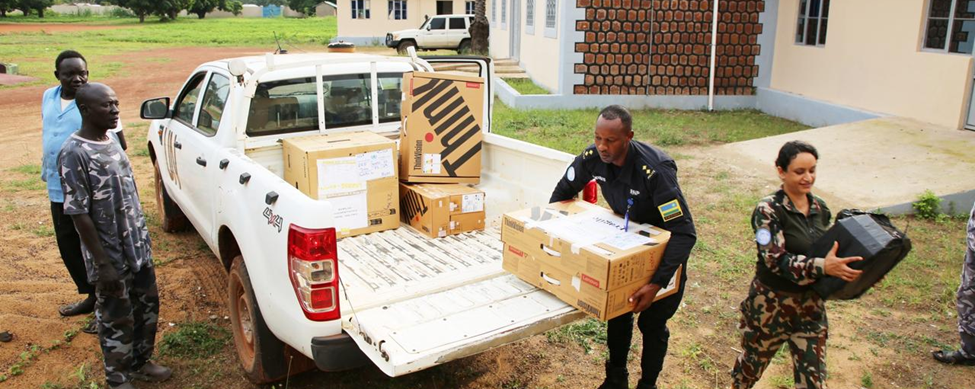
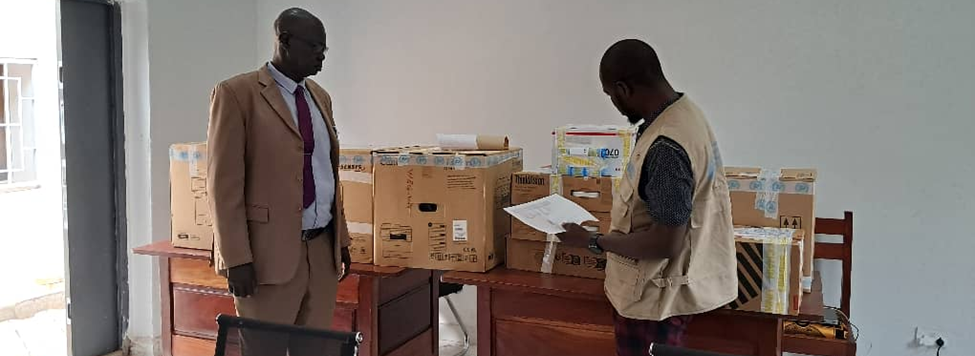
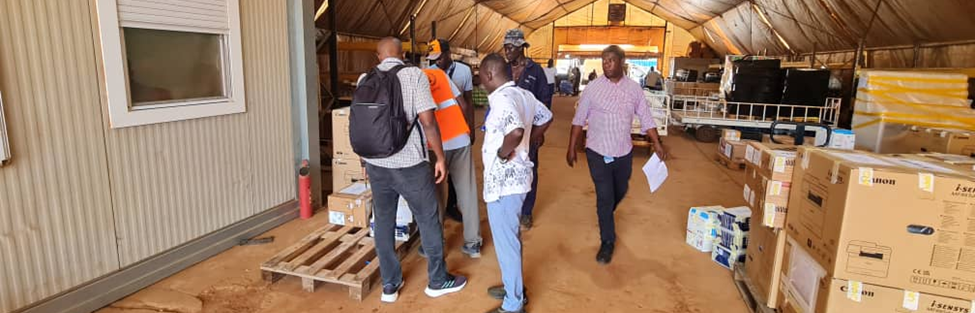
On 13 August 2025, the United Nations Integrated Electoral Assistance Team (UNIEAT) successfully dispatched a consignment of Information and Communication Technology (ICT) equipment to strengthen electoral operations across the country.

The shipment included desktop computers, office printers, and Uninterruptible Power Supply (UPS) systems—essential tools for the smooth conduct of election activities.

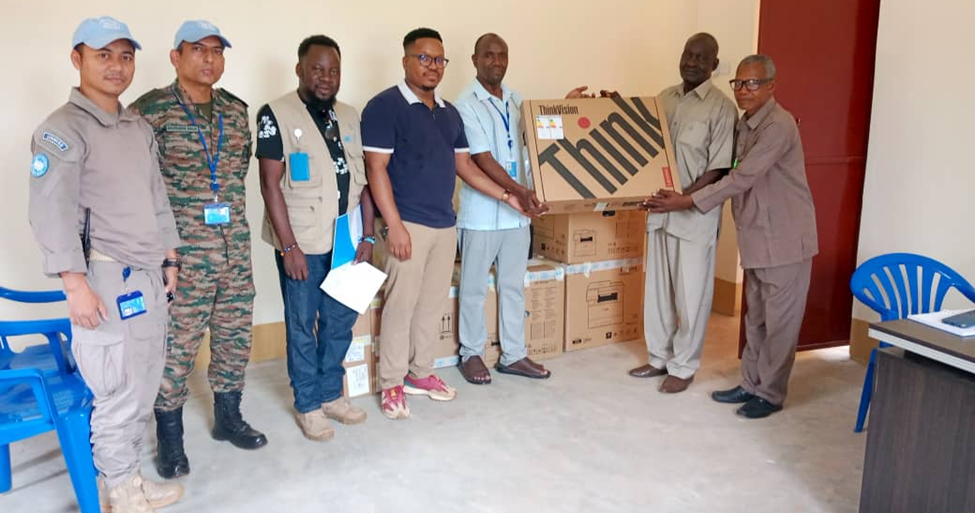
This initiative is part of UNIEAT’s ongoing commitment to enhance the technical and operational capacity of the National Election Commission (NEC) at the national level, as well as the State High Election Committees (SHECs) at the state level. By equipping these institutions with modern ICT equipment, UNIEAT seeks to facilitate efficient election administration and improved communication between the NEC and the SHECs.

The first phase of distribution covered six states: Eastern Equatoria, Western Equatoria, Central Equatoria, Western Bahr el Ghazal, Lakes, and Northern Bahr el Ghazal. The remaining states will receive their consignments once renovation and construction of their offices are finalized.

The newly delivered ICT equipment is expected to play a critical role in improving preparedness at the state level, enabling electoral bodies to carry out their responsibilities more effectively. UNIEAT remains firmly committed to supporting the NEC and SHECs as the country prepares for the upcoming elections.

Rumbek – Lakes State

Wau – Western Bahr el Ghazal

UNMISS Tomping Logistics Base – Preparing to ship equipment to the States

Yambio – Western Equatoria State


ELECTION SECURITY COMMITTEE PRESENTS RESULTS OF THE JOINT ELECTION OPERATION CENTERS’ ASSESSMENT

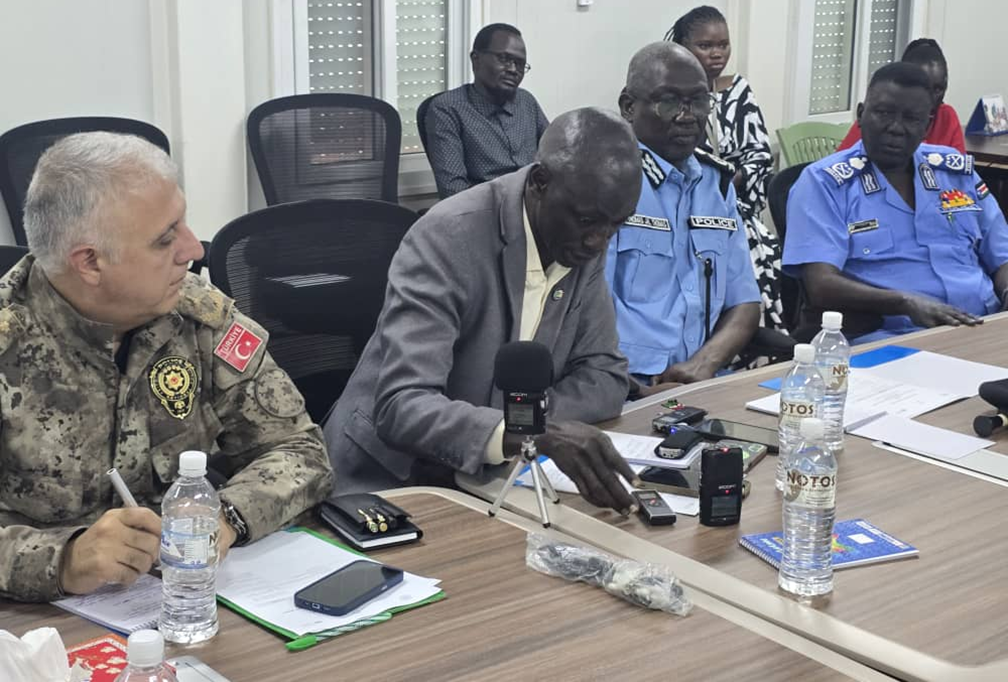
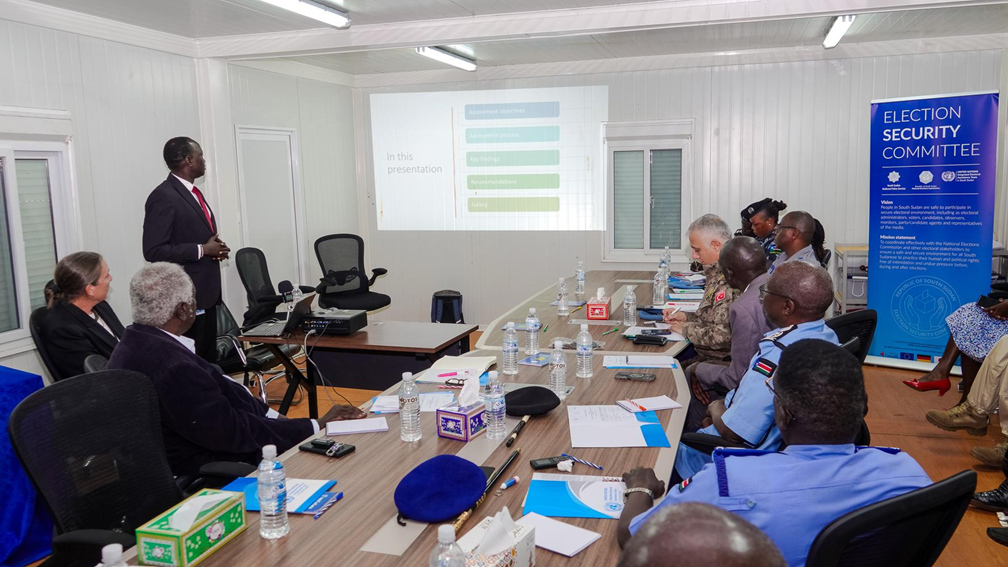
On the 24th of July 2025, as part of preparations for the general elections scheduled for December 2026, the Election Security Committee (ESC), chaired by the National Police Service (NPS), and includes representatives of the National Elections Commission (NEC) and the UN Integrated Electoral Assistance Team (UN IEAT) presented findings of assessments of NPS premises in 10 states and the Ruweng Administrative Area to  the Acting Minister of Interior,  the Chairperson of the National Elections Commission, representatives of civil society and the Senior Leadership of the National Police Service.The assessment exercises that began in February 2025 and that completed in July 2025 were to establish the requirements for the re-establishment of Joint Electoral Operations Centers (JEOCs) across the country.  The assessment of the Greater Pibor Administrative Area is planned to take place in August 2025.

The establishment of JEOCs at the national and sub-national level are an important security, information sharing and coordination mechanism amongst relevant electoral stakeholders, namely the NEC, NPS, and the broader security apparatus of South Sudan.  The assessments, conducted under the leadership of NPS, in partnership with the NEC and UN IEAT, revealed that in all locations the pre-existing JEOC structures utilized for the 2010 elections and the 2011 referendum were badly damaged during the 2013 conflict, hence will require reconstruction and refurbishing.

The NPS and NEC expect the JEOCs to play an essential role as the key mechanism for election security coordination, including prevention of electoral violence and support election security operations. The recommendation of the ESC is to re-establish JEOCs in all states and administrative areas for election security coordination and support the building of trust and confidence for a credible, inclusive and peaceful electoral process across the country.

Under the auspices of the IGP, the Elections Security Committee presented the findings to raise awareness around the status of JEOCs and the need to allocate funding to the reconstruction and refurbishment of such electoral security structures.


UNMISS PROVIDES STATE HIGH ELECTION COMMITTEE OFFICE – WESTERN EQUATORIA STATE TO SUPPORT INSTITUTIONAL READINESS FOR THE ELECTORAL PROCESS

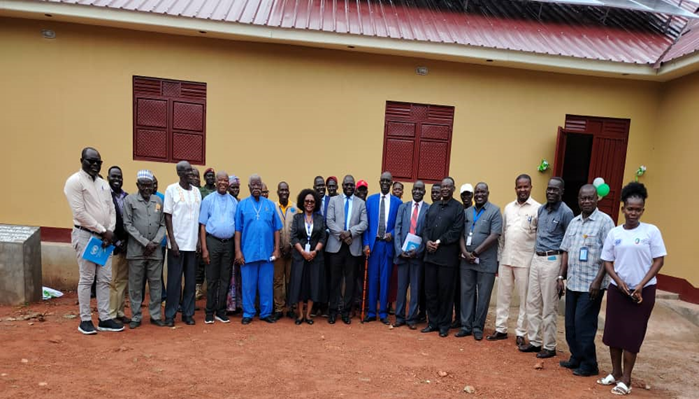
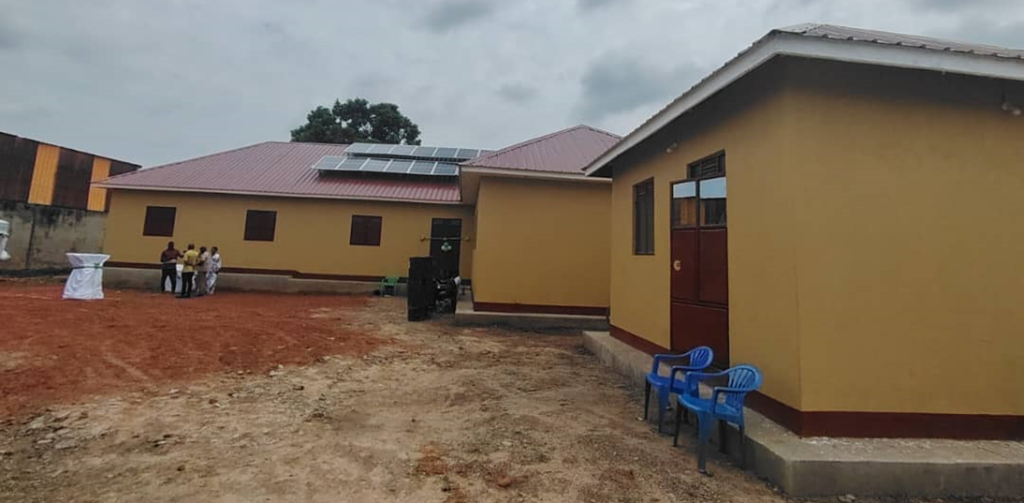
As part of a joint partnership between the National Elections Commission (NEC), UNDP and UNMISS to operationalize all ten State High Election Committee (SHEC) offices in order to lay the institutional foundations for electoral preparations around the country, UNMISS handed over a newly constructed office complex to the NEC and SHEC in Yambio, Western Equatoria State. The UNMISS-supported construction project was utilizing the Quick Impact Projects (QIPs) funding and carried out through the implementation by the local Western Equatoria State organization, Community Organization for Peer Educators (COPE).

Planning of the project first began in December 2024, based on a needs assessment and later designed and implemented in collaboration with the NEC and SHEC. The office complex was built from the ground up and includes seven offices, a conference hall with storage, security post and pit latrines. Additionally, the project provided office furniture and solar panels for electric sustainability.

The handover ceremony was attended by the NEC Chief Electoral Officer, NEC Secretary-General, Acting Governor of Western Equatoria State, the Chairperson of the SHEC-Western Equatoria, in addition to other representatives of the SHEC, UNMISS, and civil society, among others.

In addition to providing a functional office in order to begin election preparations and conduct election activities at the state level, the office will also facilitate the engagement of the SHEC with diverse electoral stakeholders, including voters, candidates, political parties, civil society organizations, the media, and observer groups, enabling them to perform their roles effectively in building an inclusive, conducive environment for elections to take place.

“For any election management body, the establishment of a functional office is key to its ability to plan and prepare for an electoral process, in addition to being able to have a space to engage with electoral stakeholders. The construction of this State High Election Committee office here in Western Equatoria State is a positive step in creating the environment for elections to take place. The NEC appreciates UNMISS for its continued support in building NEC’s institutional capacity,” reflected Mr. Gabriel Bol Deng, Secretary General of the National Election Commission during the handover ceremony.

“The State High Election Committee in Western Equatoria State looks forward to working with all electoral stakeholders in preparing for elections and appreciates the work of UNMISS, not only for providing this office, but also for the multiple trainings to support our understanding and ability to prepare for elections and effectively engage with stakeholders,” said the Chairperson of the State High Election Committee-Western Equatoria State.


NATIONAL ELECTIONS COMMISSION LAUNCHES MASTER TRAINER PROGRAM FOR CIVIC EDUCATORS

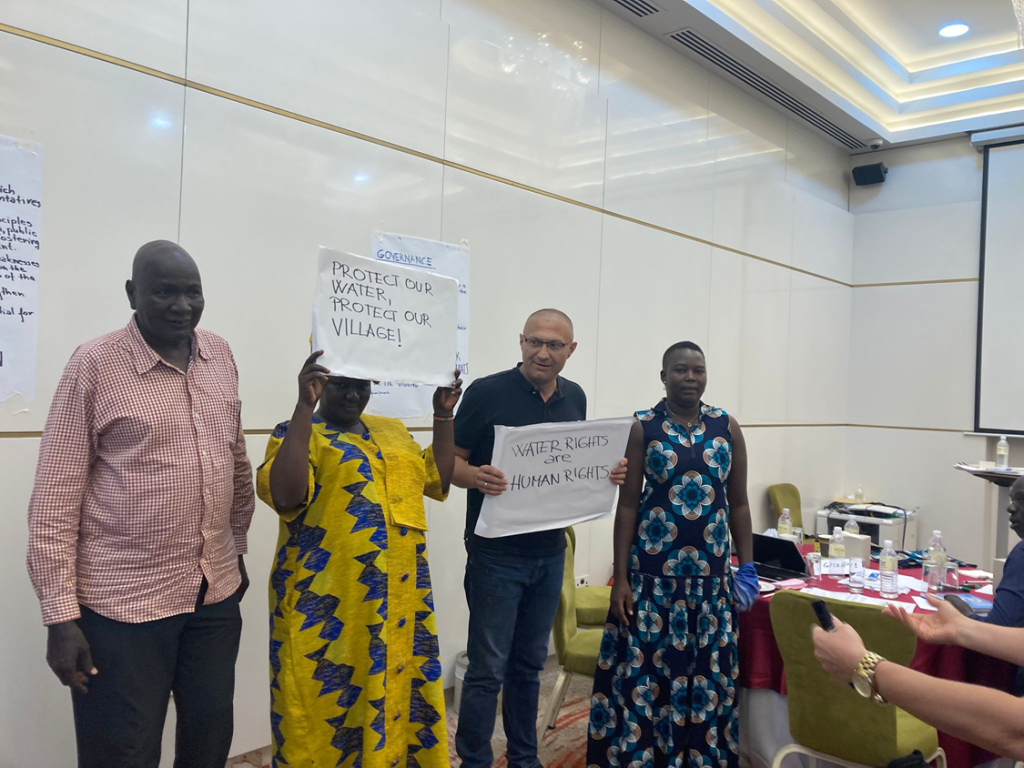
On June 13, 2025, the National Elections Commission (NEC) commenced the rollout of a Master Trainers’ Program for Civic Educators. This training program was rolled out in two sessions, from June 10-13 and 17-20, 2025, in Juba, and included 50 participants from the NEC, including representatives from the State High Elections Committees (SHEC), as well as state and non-state actors. The training was based on the NEC’s civic and voter education strategy, with support from the United Nations Integrated Electoral Assistance Team (UN IEAT). In this context, the NEC training manual on civic education covers five topics: i) democracy; ii) governance; iii) human rights; iv) elections; and v) peacebuilding, and an additional program to support civic educators’ presentation and training skills.

The training program aimed to assist NEC, SHEC, civil society, and other stakeholders in concepts, approaches, and activities on civic education to support a harmonized approach to civic education initiatives by the NEC and other electoral stakeholders in South Sudan.

The NEC has prioritized civic and voter education and sustained stakeholder engagement to bolster an electoral process that is transparent, inclusive, and peaceful. By the end of the program, two cohorts of master trainers were trained, a total of 50 trainers. Subsequent to this master training program, a training of trainers, composed of civil society, youth groups, and other stakeholders, will be rolled out at the state and county levels in order to support a nationwide electoral-focused civic education initiative.

“Forging partnerships and collaboration with key stakeholders such as state entities, civil society, media, and political parties will be instrumental in conducting a nationwide civic and voter education program”, remarked Honorable Thabo Abosuh Ajang, NEC Commissioner responsible for civic and voter education.


COMMENCEMENT OF CONSTRUCTION OF STATE HIGH ELECTION COMMITTEE OFFICE – JONGLEI STATE

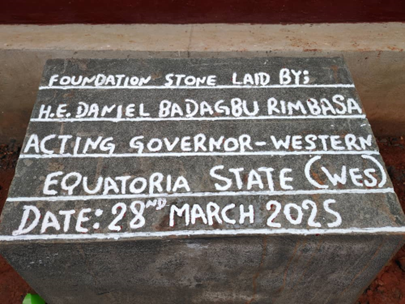
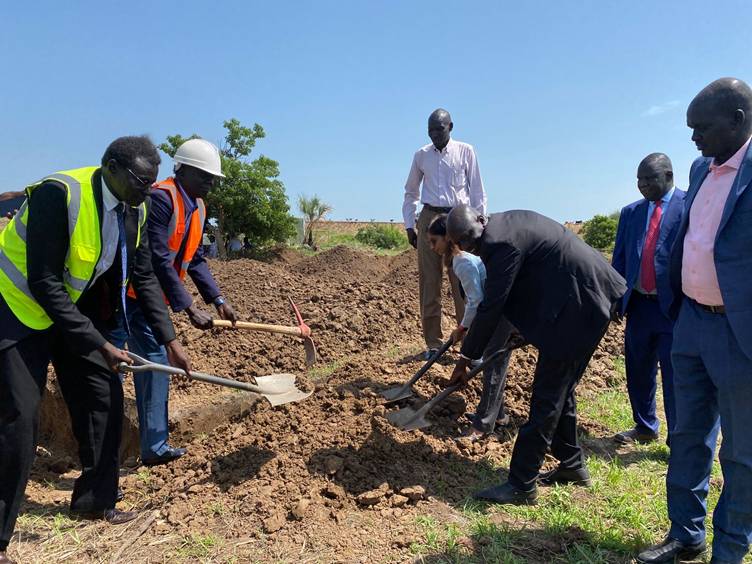
On the 4th of June 2025, A delegation from the National Elections Commission (NEC) visited Bor, Jonglei from 3-5 June 2025 to mark a ground-breaking ceremony for the construction of the State High Election Committee (SHEC) office. The office is being constructed with support from the United Nations Mission in South Sudan’ (UNMISS) Quick Impact Projects (QIPs). The project includes the construction of the office from the ground up, installation of a solar system, sanitation facilities, and a perimeter wall fence.

The delegation, led by Honorable Commissioner William Kolyin Deng and Secretary-General Mr. Gabriel Bol Deng of the NEC, held  consultation meetings with the State Government, SHEC Jonglei, UNMISS Field Office and other electoral stakeholders.

The construction of the SHEC office in Bor is part of a broader collaborative effort between the UNMISS and the National Elections Committee, utilizing NEC and UNMISS resources, to refurbish and construct the offices of the State High Elections Committees so they are operational and functional in all ten states of South Sudan. The SHEC office construction will contribute to an enabling environment for elections, providing working space for electoral officials, and enhancing the capacity of the SHEC to manage inclusive and credible electoral processes. Furthermore, it will facilitate the engagement with electoral stakeholders, including voters, candidates, political parties, civil society organizations, the media, and observer groups, supporting an engaged, conducive environment for elections and enabling pre-electoral activities to begin.

Following the reconstitution of the NEC and the appointment of the State High Election Committees in 2024, one of the main priorities of the NEC has been to make its offices in the states operational. Since early 2024, NEC has engaged in consultation meetings with the Government of South Sudan and State Governments in order to secure funding, land, and/or office premises in order to construct or refurbish offices for use by the SHEC in each state.

The NEC would like to thank the government of Jonglei State for availing its land and acknowledge the United Nations Mission in South Sudan for their efforts in building NEC’s institutional capacity, and for their contribution to making the SHEC offices operational across the country.

“I would like to express my enthusiasm to see this project finally come to fruition and I look forward to the benefit it will yield to electoral stakeholders and the community of Jonglei state, as we lay the foundations to advance on election preparations”, highlighted Mr. Gabriel Bol Deng, Secretary-General of the National Elections Commission.


NEC CONVENES ROUNDTABLE DIALOGUE WITH CIVIL SOCIETY REPRESENTATIVES TO DISCUSS SUPPORT FOR A CONDUCIVE ENVIRONMENT FOR CREDIBLE ELECTIONS

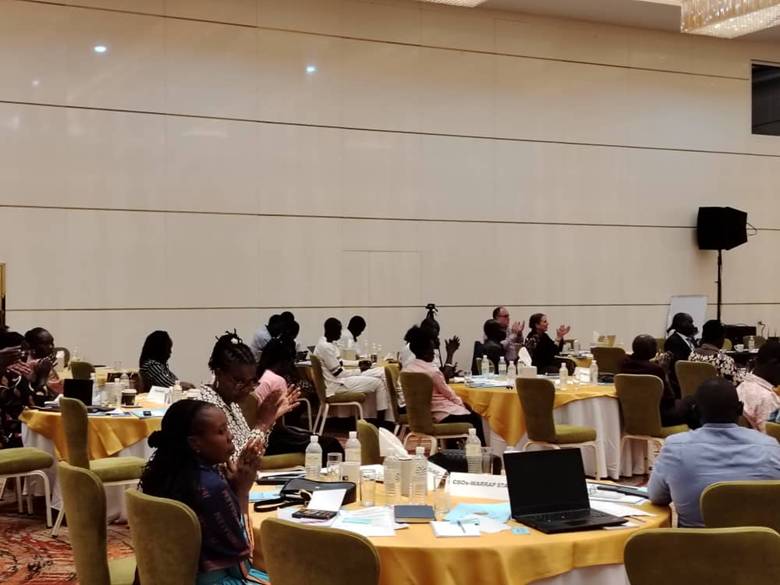
The National Elections Commission (NEC) convened a roundtable discussion on 29th May 2025 in Juba with civil society representatives from across South Sudan to engage in an interactive dialogue on the legal, technical, financial and security challenges that must be urgently addressed in order to make positive progress toward preparations for a credible and inclusive electoral process. Over 50 civil society representatives from all ten (10) states, Administrative Areas Ruweng and Pibor participated in the discussion – in addition to Juba-based representatives and faith-based groups.

With support from the UN Integrated Electoral Assistance Team (UN IEAT), the dialogue provided an opportunity for discourse on electoral timeline challenges, in addition to legal and political clarity needed for the electoral process to move forward. 

The three thematic panel discussions, including panelists from NEC, UN IEAT and civil society, were moderated by Mr. Edmund Yakani, Executive Director of Community Empowerment for Progress Organization (CEPO), which focused on: (i) political decisions and legal clarifications needed, taking into account clarity needed on the Constitution-making Process timeline, population data and census related issues; (ii) technical challenges on options and timing considerations for voter registration, boundary delimitation, candidate nomination and urgent need for financial resources; and (iii) the conditions of creating an environment conducive for elections, including the necessity of civic, political space and its relation to election security and the prevention of electoral-related violence.

The roundtable dialogue concluded with the NEC and CSOs agreeing to a set of calls to action outlined in a Communiqué. The crux of these action points centered around the need for the transitional government and parties to the R-ARCSS to urgently meet and discuss key issues related to the way forward, including: clarity on legal framework and political decisions to be taken on issues such as the sequence of constitution-making process vis-à-vis electoral timeline, and what population data to be used for constituency delimitation.  The civil society representatives called for actions to be taken to open civic and political space, including guaranteeing the security conditions for the process to advance with full and free participation of all electoral stakeholders.


The National Elections Commission inaugurated the State High Electoral Committee office for Central Equatoria State in Juba

The National Elections Commission (NEC) on the 26th of May 2025, officially inaugurated the State High Electoral Committee (SHEC) office for Central Equatoria State in Juba, marking a significant step toward South Sudan’s long-awaited general elections scheduled for December 2026.

The event, held in Hai Game, was officiated by Chief Electoral Officer Hon. Mac Maika Deng and brought together senior national and international dignitaries. In attendance were H.E Gen. Kuol Manyang Senior Presidential Advisor and chairperson of the National Transitional Committee (NTC), H.E. Paulino Lukudu Obede, the Deputy Governor of Central Equatoria State; Hon. Prof. Abednego Akok Kacuol Chairperson of NEC, Hon Eng, James Akol Zakayo the Chairperson of the Political Parties Council (PPC), Amb. Maj. Gen. (Rtd) George Owinow, Chairperson of the Reconstituted Joint Monitoring and Evaluation Commission (RJMEC); and Mr. Darren Nance, Head of the United Nations Integrated Electoral Assistance Team (UNIEAT).

The Chairperson in his remarks, Prof. Akok emphasized the importance of the new office in enhancing coordination at the state level and engaging with electoral stakeholders, including voters, political parties, civil society, media, and observer groups.
Akok also mentioned that the commission has renovated offices in several states, including Central Equatoria, Western Equatoria, and Warrap, with plans to open them soon.The Central Equatoria office is one of six SHEC offices completed as part of NEC’s national renovation program supported by UNIEAT.

He also cited a recent meeting with President H.E Gen Salva Kiir, who he said reaffirmed the government’s commitment to holding elections before the end of the transitional period.

While acknowledging these achievements, Prof. Akok also noted the challenges ahead, particularly in terms of legal clarity and resource mobilization. He reiterated the Commission’s call for collective responsibility among national actors and support from international partners.

“The opening of this office is more than symbolic—it is a concrete step toward delivering free, fair, and credible elections for the people of South Sudan,” he said. “Together, we can ensure a peaceful and democratic transition before the end of the transitional period.

Each of the dignitaries delivered remarks highlighting the significance of the office and reaffirming their support for peaceful, transparent, and inclusive elections. The ceremony concluded with a keynote address by Gen. Kuol Manyang Senior Presidential Advisor and chairperson of the National Transitional Committee (NTC).


Vice President for Economic Cluster, Dr. Benjamin Bol Mel meets with Chairperson of the National Elections Commission on Election Preparations

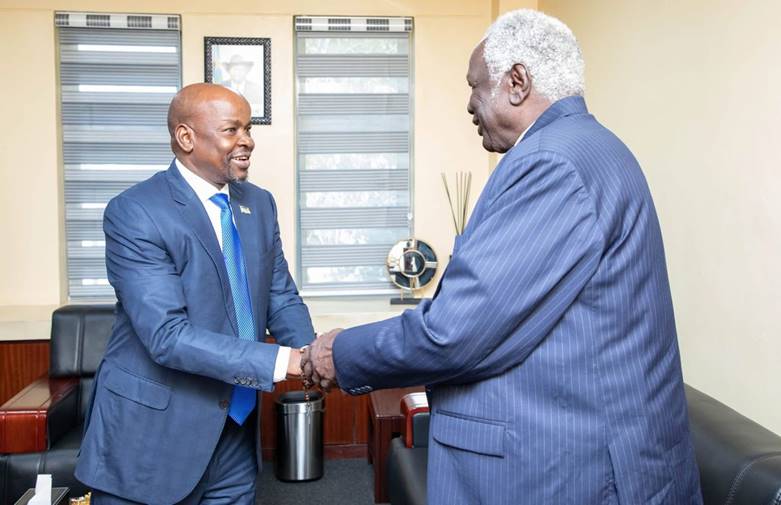
On 13th May 2025, Vice President Dr. Benjamin Bol Mel held a consultative meeting with the Chairperson of the National Elections Commission (NEC), Prof. Abednego Akok Kacuol, to discuss ongoing preparations for the upcoming general elections scheduled in December 2026 – with particular focus on delivering credible and timely elections.

During the meeting, Prof. Akok presented a comprehensive progress report, outlining key milestones achieved over the past two years and the roadmap ahead as South Sudan approaches a defining moment in its democratic trajectory.

Vice President Dr. Benjamin Bol Mel reaffirmed the full support of the Government of His Excellency President Salva Kiir Mayardit in ensuring NEC is adequately resourced and empowered to fulfil its mandate.

He further emphasized the conduct of peaceful, fair, and credible elections is not only a national obligation but also essential to democratic growth and sustainable stability.  The Vice President urged all institutions, stakeholders, and citizens to unite in the spirit of patriotism in this vital endeavor. The success of these elections depends on a collective commitment to ensure that every South Sudanese voice is heard, every vote counts, and that together, we build a future rooted in peace, democracy, and inclusive governance.