JUBA, South Sudan – South Sudan has officially launched its nationwide Civic and Voter Education Campaign, with electoral officials, government leaders and civil society calling on citizens to embrace democratic participation and reject violence, misinformation and hate speech ahead of the country’s General Elections scheduled for 22 December 2026.
The campaign, launched by the National Elections Commission (NEC), aims to equip eligible voters with knowledge about voter registration, electoral rights and responsibilities, voting procedures and the importance of participating peacefully in the democratic process.
Speaking during the launch, NEC Secretary General Gabriel Bol Deng described the initiative as a critical step in the country’s electoral preparations, emphasizing that democracy begins with an informed electorate.
“Successful elections begin with informed citizens,” Bol said. “The campaign seeks to encourage informed participation in the electoral process by promoting voting through the ballot box rather than violence.”
He said the Commission would conduct nationwide civic and voter education through radio, television, community structures, civil society organizations, traditional leaders and youth networks to ensure every eligible South Sudanese has access to electoral information.
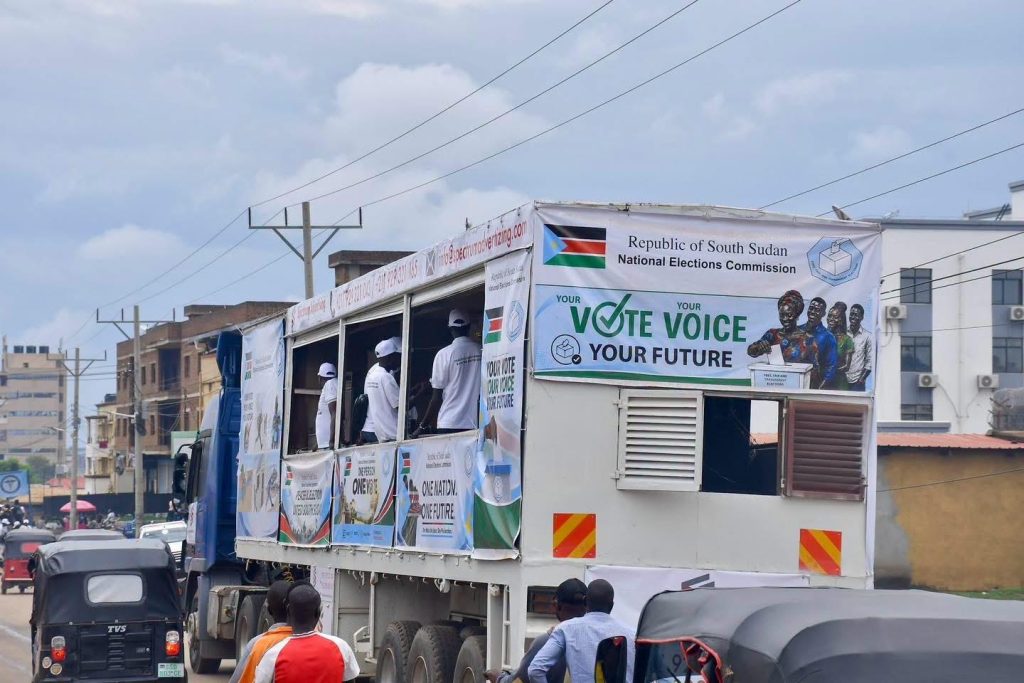
Bol also urged political parties to conduct peaceful campaigns, called on security institutions to remain professional and impartial, and encouraged citizens to reject intimidation, tribalism, hate speech and misinformation throughout the electoral process.
The Commissioner for Civic and Voter Education, Hon. Mama Thabo, said the campaign extends beyond teaching citizens how to vote and is intended to strengthen democratic governance by ensuring every eligible South Sudanese understands both their rights and responsibilities.
“Civic and voter education remains one of the key pillars of successful elections because it empowers citizens with knowledge about voter registration, voting procedures, electoral rights, civic responsibilities and the importance of peaceful participation,” she said.
Commissioner Thabo noted that the National Elections Act mandates the Commission to conduct civic and voter education as part of its constitutional responsibility to organize democratic elections.
She said the nationwide campaign would target women, youth, persons with disabilities, internally displaced persons, returnees and remote communities to ensure equal access to impartial electoral information.
Calling on stakeholders to support the initiative, she urged political parties to conduct peaceful campaigns while encouraging journalists to provide balanced reporting that educates rather than divides communities.
“The December 2026 General Election presents an opportunity to demonstrate our national commitment to peace, unity and democratic governance,” she added, urging citizens to become ambassadors of democracy by sharing accurate information and respecting diverse opinions.
Representing civil society organizations, Community Empowerment for Progress Organization (CEPO) Executive Director Edmund Yakani said civic and voter education should empower citizens to understand not only their democratic rights but also their responsibilities.
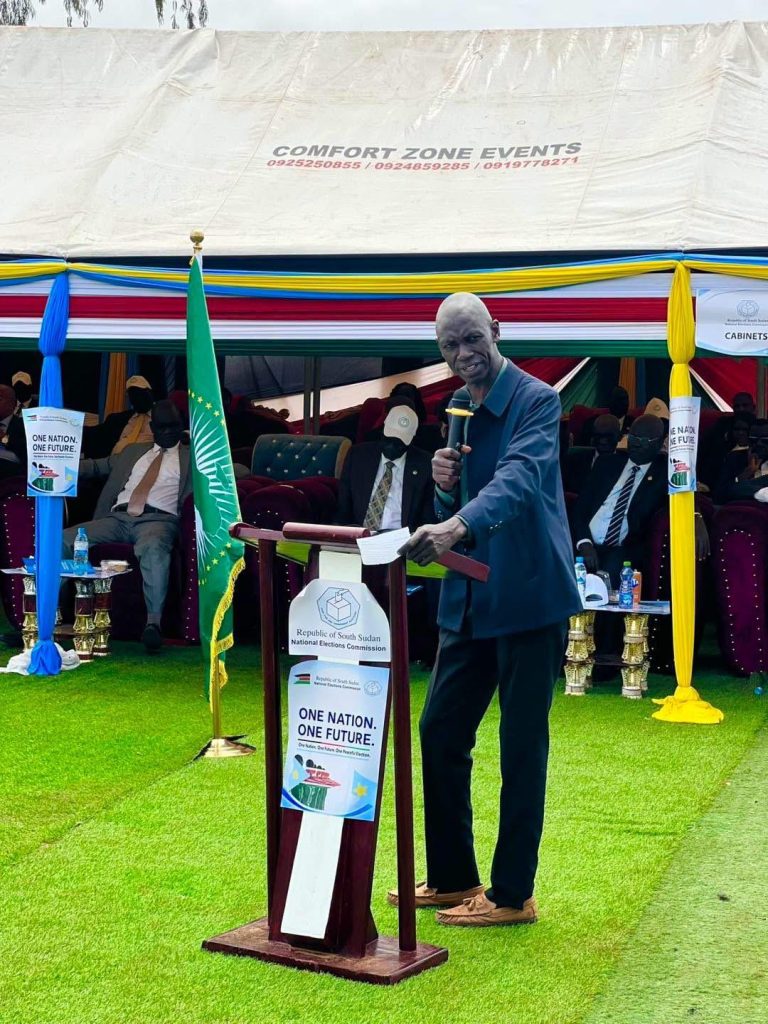
“The responsibility for credible elections extends beyond the National Election Commission to political actors and government institutions responsible for creating an enabling environment for the electoral process,” Yakani said.
He called on political leaders to refrain from hate speech, inflammatory rhetoric, intimidation and violence, urging them to compete through policies and ideas rather than exploiting state resources or promoting divisions.
Yakani also stressed the importance of timely funding for the National Election Commission, warning that inadequate resources could undermine preparations for the elections.
“Political leaders must ensure that elections unite rather than divide the country,” he said, encouraging citizens to remain informed, participate actively in civic education activities and embrace peaceful democratic participation through the ballot box.
Officially launching the campaign, National Elections Commission Chairperson Prof. Abednego Akok Kacuol described the initiative as a national programme designed to empower citizens with the knowledge, confidence and opportunity to participate meaningfully in South Sudan’s democratic process.
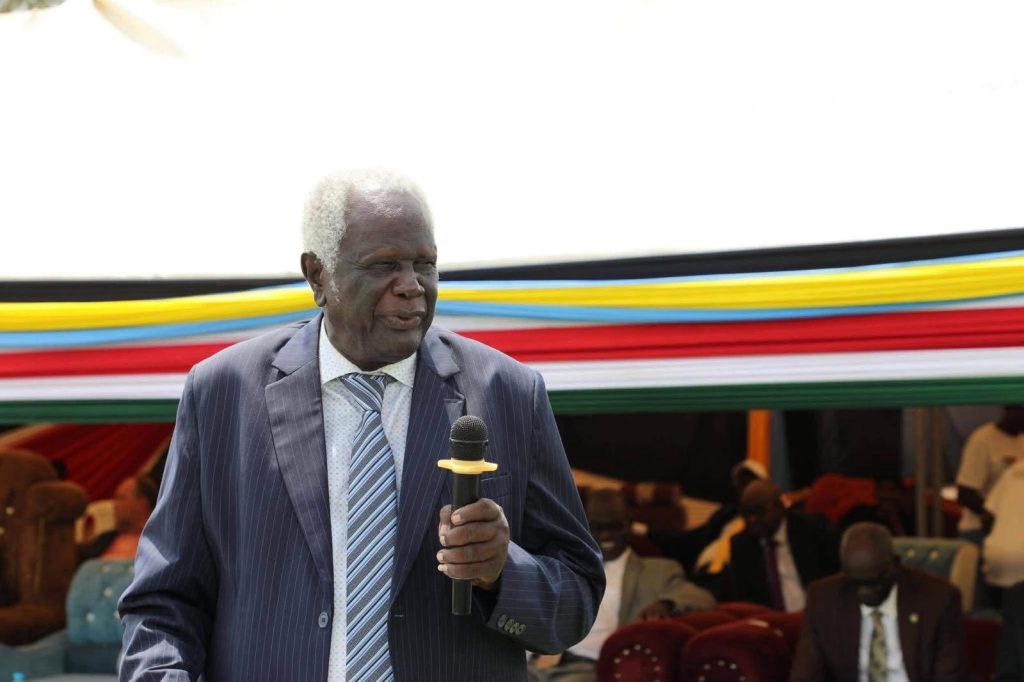
“This campaign is neither affiliated with any political party nor any individual. It belongs to all South Sudanese citizens,” Prof. Kacuol said.
He said the Commission would provide citizens with accurate information on voter eligibility, voter registration, voting procedures, ballot secrecy and voters’ rights through radio, community dialogues, schools, faith institutions and local languages to ensure information reaches communities across the country.
Prof. Kacuol reaffirmed the Commission’s commitment to conducting an independent, impartial and transparent electoral process and appealed to journalists to play a central role in combating misinformation.
“The media are key partners in disseminating accurate electoral information. Verify information, counter misinformation and help citizens distinguish official electoral information from rumors and political messaging,” he urged.
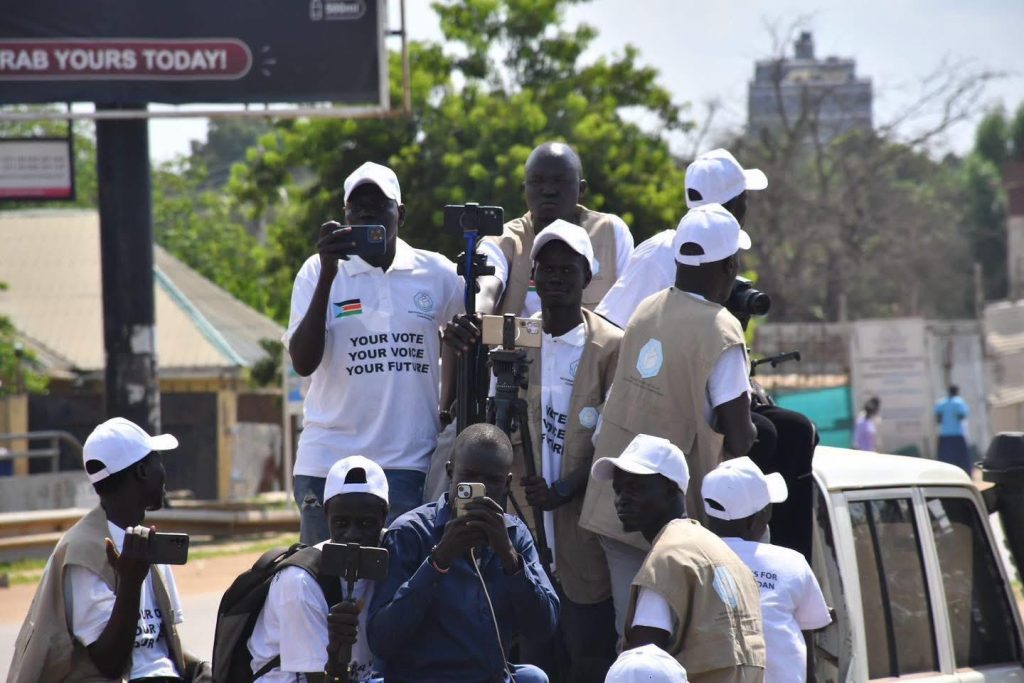
He further called on citizens to seek information from reliable sources, ask questions and actively participate in the campaign, saying an informed electorate is essential for peaceful, inclusive and credible elections.
Delivering the keynote address on behalf of President Salva Kiir Mayardit, Vice President Dr. James Wani Igga reaffirmed the government’s commitment to delivering peaceful, free, fair and credible elections.
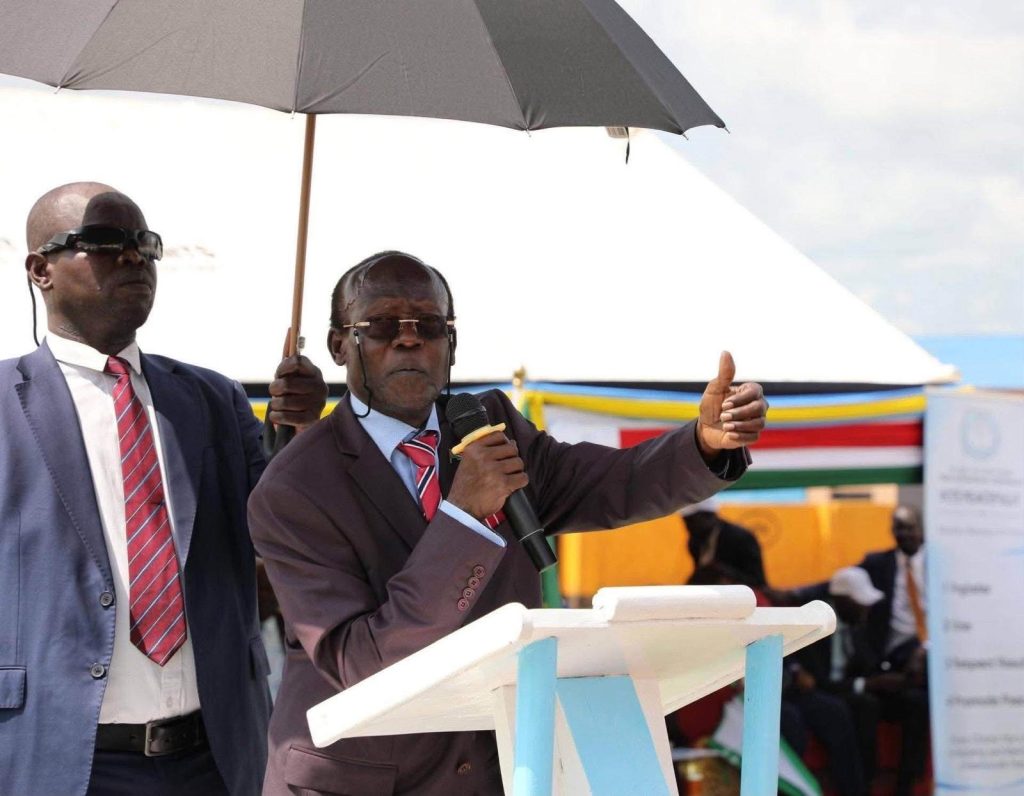
He described voter registration as the foundation of democracy and urged all eligible South Sudanese to register and participate peacefully in determining the country’s future.
“Voter registration constitutes the first and most important step in exercising democratic rights. It forms the foundation upon which credible elections are built,” Wani Igga said.
The Vice President encouraged young people and women to participate actively in the electoral process, saying South Sudan’s diversity should be embraced as a source of national strength rather than division.
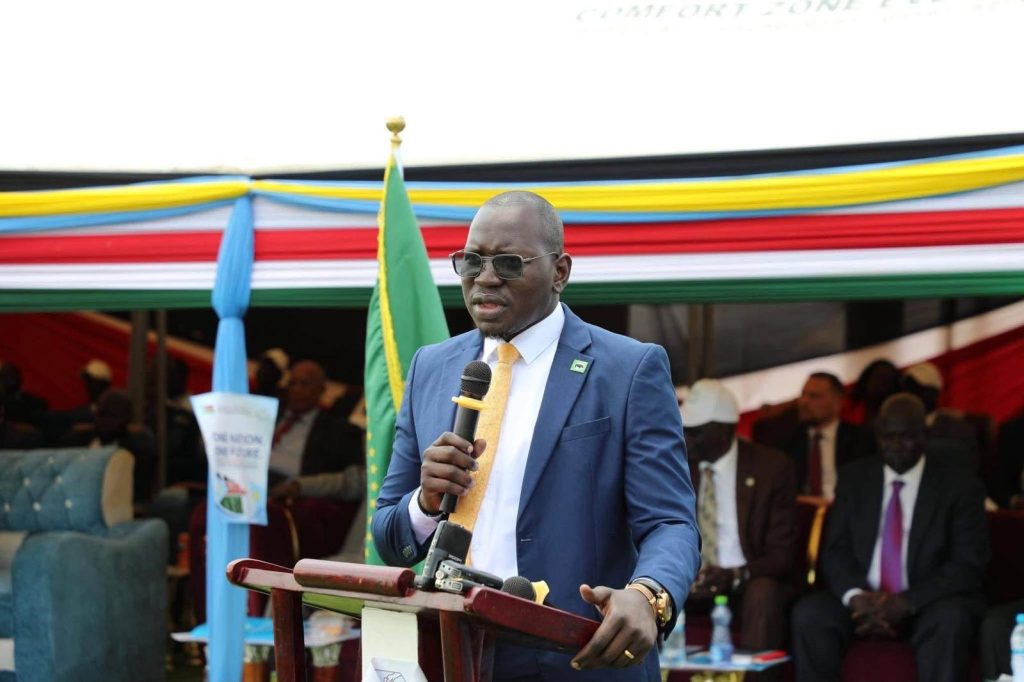
He also urged citizens to reject misinformation and intimidation while complying with electoral procedures established by the National Elections Commission.
“Reject misinformation, rumors and actions that undermine public confidence in the electoral process. Instead, embrace facts, national unity, peaceful participation and respect for democratic processes,” he said.
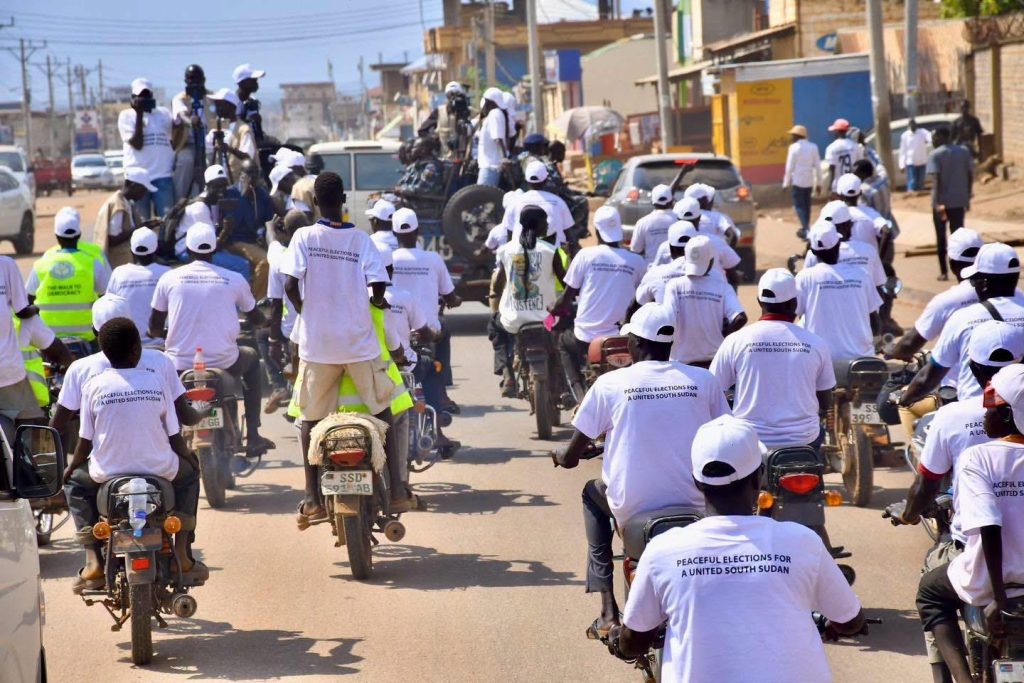
Wani Igga further called on religious leaders, traditional authorities, teachers, civil society organizations and the media to help mobilize communities and ensure that no eligible citizen is left behind during voter registration and civic education activities.
The launch brought together senior government officials, political parties, civil society organizations, faith-based institutions, women’s and youth groups, development partners, diplomatic missions and the media, reflecting broad national support for South Sudan’s democratic transition.
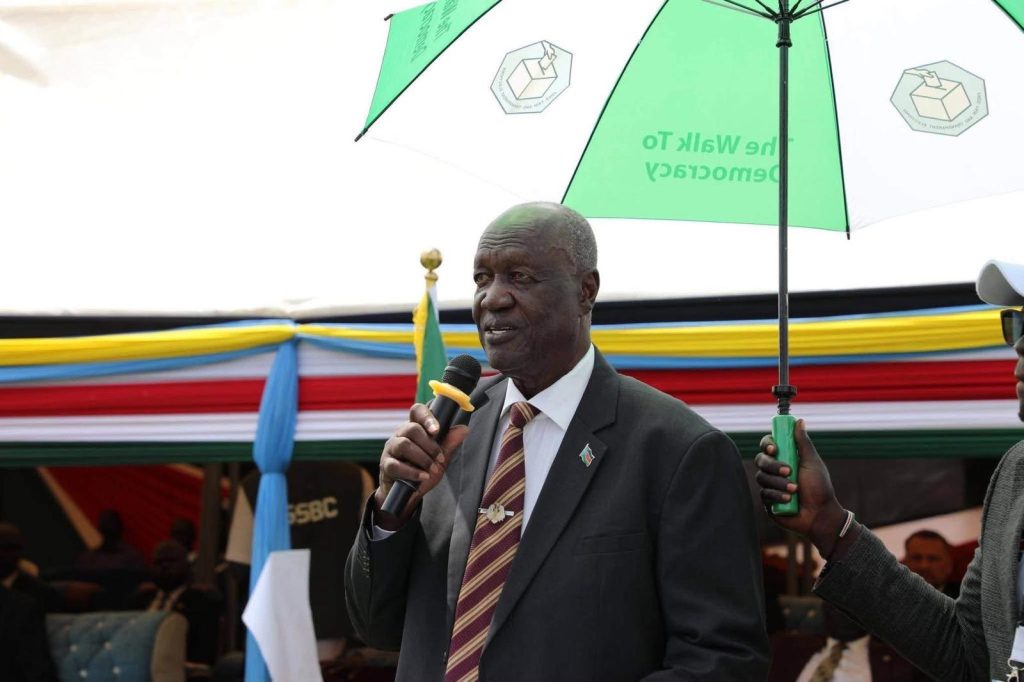
Throughout the event, speakers consistently emphasized that civic and voter education is fundamental to peaceful, transparent and inclusive elections, stressing that informed citizens are the foundation of credible democratic governance as South Sudan prepares for its first General Elections since independence.